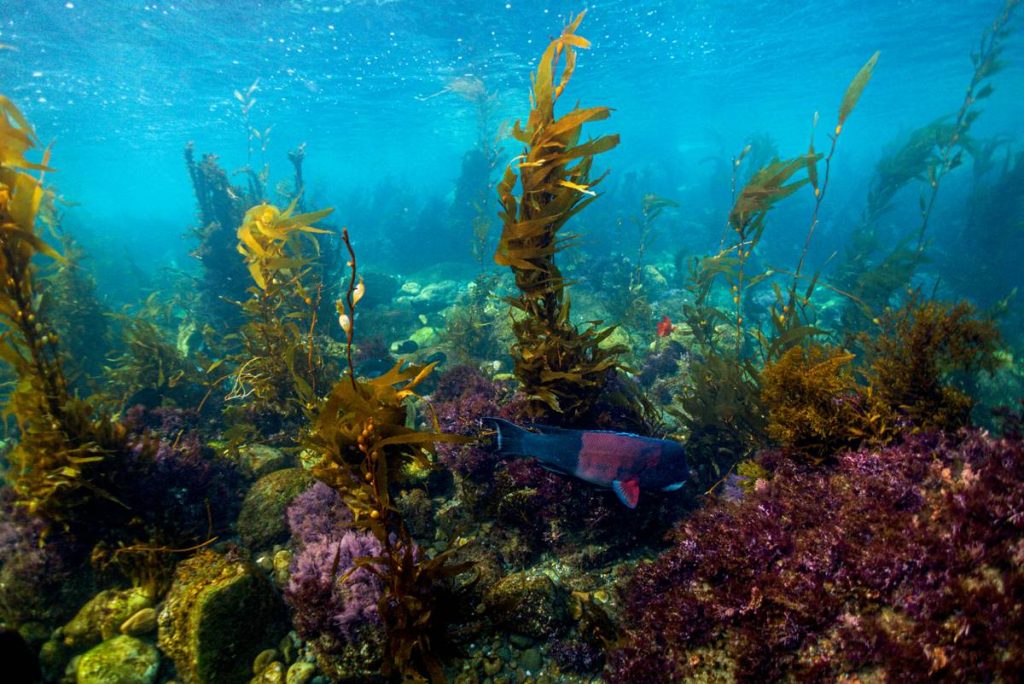
Most pet owners focus on calcium and vitamin D when it comes to strong bones. But what if your dog or cat is missing a silent, foundational piece? Without trace minerals, even the best bone-building protocols fall short. Kelp for Bone Health isn’t just fringe wellness talk—it’s biochemistry your pet’s skeleton actually needs.
Why Standard Bone Supplements Often Miss the Mark
Conventional pet bone formulas hammer calcium—sometimes to excess. And excess calcium without supporting co-factors? It’s worse than useless. It can disrupt magnesium uptake, skew phosphorus ratios, and even calcify soft tissues. We’ve seen lab results where pets on premium “bone support” chews still tested deficient in iodine, boron, and vanadium—minerals critical for collagen cross-linking and osteoblast activation.
The issue isn’t malice. It’s simplification. Bone isn’t just rock. It’s living matrix. And kelp? It delivers over 60 bioavailable trace elements in ratios evolution already perfected.
How to Integrate Kelp for Bone Health Into Your Pet’s Routine
Selecting the Right Kelp Supplement
Avoid kelp powders with fillers like maltodextrin or unspecified “marine blends.” Look for cold-processed, sustainably harvested whole-leaf Ascophyllum nodosum. Third-party heavy metal testing isn’t optional—it’s non-negotiable.
Dosing by Weight and Species
Cats need far less than dogs—often 1/8 tsp daily versus ½ tsp for a 50-lb dog. But don’t eyeball it. Use a calibrated scoop. Too much iodine stresses the thyroid; too little offers zero benefit.
Timing and Synergy
Kelp pairs powerfully with vitamin K2 (menaquinone-7) and magnesium glycinate. Feed it with a fat source—like a spoon of sardine oil—to boost absorption of fat-soluble co-nutrients riding along.

| Supplement Type | Trace Minerals per Serving | Cost per Month (50-lb Dog) | Bone Health Impact |
|---|---|---|---|
| Synthetic Multi-Mineral Chew | 8–12 isolated forms | $18–$24 | Moderate—lacks natural co-factors |
| Whole Food Kelp Powder | 50+ naturally occurring | $9–$14 | High—bioactive synergy |
| IV Mineral Therapy | Custom IV cocktail | $120+ | Acute cases only—not sustainable |
The Industry Secret Most Brands Won’t Tell You
Here’s what formulators quietly admit: many “kelp” supplements use stem-only or defatted extracts stripped of fucoidans and laminarins—complex polysaccharides that modulate inflammation around joints and stimulate osteogenic gene expression. And some offshore suppliers irradiate kelp to extend shelf life, which nukes delicate enzymes like iodotyrosine deiodinase needed for thyroid-mediated bone turnover.
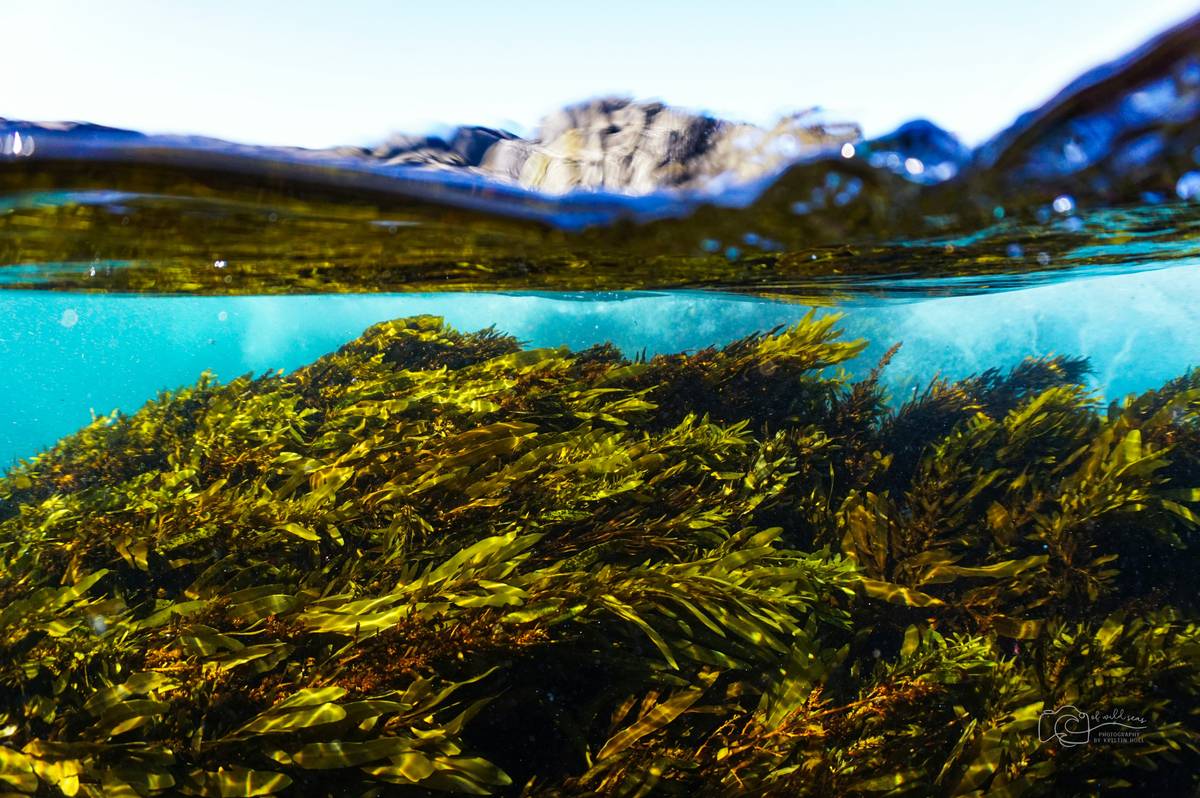
The real differentiator? Whole-leaf, shade-dried kelp from clean waters (think Nova Scotia or Iceland). It retains the full phytochemical orchestra—so your pet gets not just minerals, but the conductors that tell those minerals where to go.
Frequently Asked Questions
Can kelp replace calcium supplements for pets?
No. Kelp supports calcium utilization but doesn’t provide enough elemental calcium alone. Use it alongside balanced calcium sources.
Is kelp safe for pets with thyroid issues?
Use caution. Excess iodine can worsen hyperthyroidism in cats. Always consult your vet and test baseline T4 before starting.
How long until I see bone health improvements?
Subtle shifts in mobility may appear in 4–6 weeks. Full skeletal remodeling takes 3–6 months—consistent dosing is key.